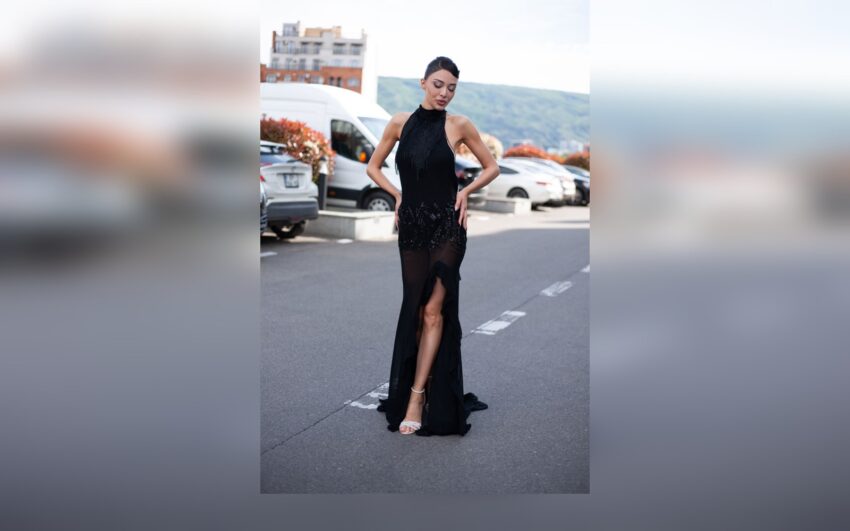
The dress looked right on the hanger, and then the sleeves stopped mid-forearm, the waist sat on your ribs, and the midi you ordered landed at your knees. Your trousers break in the wrong place, a jumpsuit pulls every time you sit, and you spend the night tugging at hems that were never cut for you. The problem is not your height. It is length that was never engineered to reach. This guide fixes the measurements first, then builds outfits that use your height on purpose.
Friday Night Style
Length That Reaches, Height That Leads
Friday night outfits for tall women, built on inseams, sleeves and torsos that actually fit, with scale that matches your frame.
Key Takeaways
- Shop by numbers, not labels: confirm the exact inseam, sleeve and torso length on the product page before you buy.
- A true tall cut lengthens the rise, knee position, waist placement and sleeves together, not just the hem.
- Build each outfit on one length rule, such as a full break, a tall-spec midi, or a waist that sits at your real waist.
- Scale prints, bags and jewelry up to your frame, so details read as deliberate rather than lost.
- Use long lines deliberately: column dresses, wide legs and longline layers are advantages, not things to break up and hide.
Table of Contents
- Start With Length: The Numbers That Decide Fit
- Why Standard Lengths Come Up Short
- The Outfit List: Seven Formulas That Use Height
- Scale: Prints, Bags and Jewelry in Proportion
- Where Tall Ranges Actually Deliver
- What to Skip on a Tall Frame
- A Quick Fit Check Before You Leave
- Our view
- Frequently Asked Questions
- Sources
- Recommended
Start With Length: The Numbers That Decide Fit
Most tall fit advice starts with styling. Start with a tape measure instead. Four numbers decide whether a Friday night outfit will work on your frame: inseam, rise, sleeve length and torso or body length. If those four are right, styling gets easy. If one is wrong, no accessory fixes it, and you feel the failure every time you reach, sit or walk.
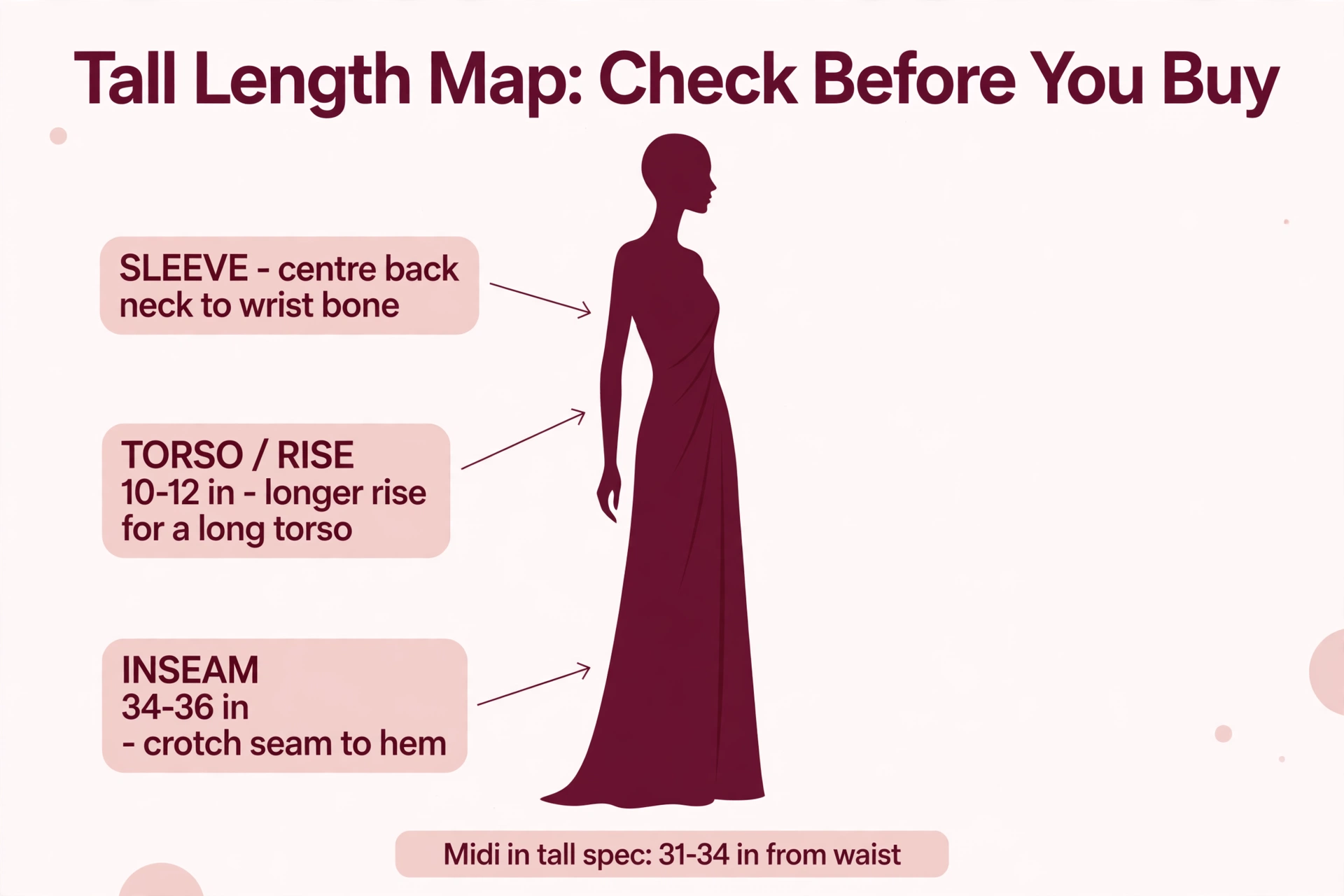
Inseam is the clearest place to begin. As the Stitch Fix inseam guide sets out, tall fits at 5’8″ and above run roughly 31 to 34 inches for skinny jeans, 32 to 34 inches for straight legs, and 34 to 36 inches for bootcut and flare styles. That range is why a standard 32-inch leg can look fine in a slim cut and still fall short in a flare, where the hem needs extra length to fall over the shoe. The same logic sits inside our friday night outfit formula: the formula only works when each piece is cut to the body wearing it.
The Built Tall size guide makes the height split plainer still: women at 5’10” to 5’11” generally need a 32 to 33 inch inseam, women at 6’0″ to 6’1″ need 33 to 34 inches, and women at 6’2″ and above need 35 to 36 inches, with standard tall sizing often stopping short of that last group. Treat those as starting points, then adjust for the shoe. A wide leg worn with a heel needs more length than the same leg worn flat, a point worth remembering when you borrow the jeans-first approach in our guide to a friday night outfit with jeans.
| Garment check | Standard range | Tall range to look for | What goes wrong if it is short |
|---|---|---|---|
| Trouser and jean inseam | About 30 to 32 inches; ASOS lists its standard Long leg at 34 inches | 34 to 36 inches for most tall frames; 35 and 37 inches in specialist denim | The break lands high, wide legs read cropped, flares lose their fall |
| Sleeve length | Cut for an average arm; cuff sits at or above the wrist | About 32 to 33 inches centre-back at 5’11” to 6’1″; 33 to 34 inches above that | Cuffs ride to mid-forearm and jackets look borrowed |
| Rise and torso | About 9 to 10 inches for a standard torso | About 10 to 12 inches for a long torso | Waistbands sit on the hip, bodysuits and jumpsuits pull, tops untuck |
| Midi dress length | About 28 to 32 inches from the waist | About 31 to 34 inches from the waist in tall spec | A midi reads knee-length and the waist seam climbs to the ribs |
| Maxi dress length | About 50 to 54 inches from the shoulder | About 56 to 62 inches from the shoulder in tall spec | A maxi stops at mid-calf and stops being a maxi |
Measure once, then shop by the number
Measure a pair of trousers you already like, laid flat, from the crotch seam down the inside leg to the hem. That is the method the Levi’s size guide gives for inseam, measured from the top of the inner thigh to the bottom of the ankle. Write the number down with the shoe you wore. Then measure a sleeve from the centre back of the neck, across the shoulder and down to the wrist bone, and a top from shoulder to hem. Those three numbers travel with you to every product page, which matters more than any label, because labels vary. Our broader guide to what to wear Friday night assumes this step is done; here it is the whole foundation.
Rise is the quiet fit problem
Inseam gets the attention, but rise decides comfort in trousers, jumpsuits and bodysuits. Rise is the distance from the crotch seam to the top of the waistband. On a long torso, a standard rise lands low, pulls when you sit, and drags the waistband away from your real waist. A longer rise lets the waist sit where the outfit was designed to be defined. If you have ever loved a jumpsuit standing up and hated it seated, rise, not width, was usually the reason.
Why Standard Lengths Come Up Short
Standard patterns are drafted around an average frame, then graded up and down. Length is not distributed evenly when that happens. A dress can gain width without gaining enough body length, so the waist seam, bust darts and knee position all sit a little high on a tall body. That is why a piece can be your size and still fit nowhere: it is not too small, it is too short in several places at once.
The Tellar tall ranges guide puts the tall threshold at 5’8″ and above and stresses that tall clothing has to add length through the torso, rise, sleeve and inseam together, reshaped for a taller build rather than simply extended at the hem. That distinction is the test for every outfit below. A tall range that only adds two inches to a trouser leg and nothing to the rise will still pull. A dress that only adds skirt length while leaving the waist at standard height will still sit on your ribs.
Sleeves, knees and waist seams tell the truth
Learn the three tells. First, sleeves: a long sleeve should reach the wrist bone when your arm is relaxed, not stop above it. Second, knees: on trousers and jeans, the knee shaping and the narrowest point of the leg should sit at your knee, not above it. Third, waist seams: on a dress or jumpsuit, the seam should sit at your natural waist, not float toward your ribs. If two of the three are high, the pattern is standard, whatever the tag says. This is also why the comfort engineering in our friday night outfits when bloated piece pairs well with this one: both start from where a garment actually sits, not where it was supposed to sit.
One-piece pieces are the hardest test
Jumpsuits, playsuits, bodysuits and swimsuit-style tops combine torso length, rise and inseam in a single garment, so there is nowhere for a short pattern to hide. If the torso is short, the whole piece pulls down at the shoulders and up at the rise. For one-piece dressing, torso length is the first number to check, before inseam. If a brand does not publish a body length or a tall torso option, treat a one-piece as a risk and choose separates instead: you can give a top and a trouser different length solutions, which a single garment never allows. The same caution shapes the date looks in our guide to what to wear on a Friday night date: a jumpsuit is a strong date outfit only when its torso is genuinely tall.
The Outfit List: Seven Formulas That Use Height
Each formula below is built on one length or scale rule. Follow the rule and the outfit works in different colors, fabrics and dress codes. Ignore the rule and swap in a standard-length version, and the same outfit falls apart. That is the difference between a list of pretty ideas and a system you can reuse, the same approach behind the seasonal picks in our friday night outfits for fall guide.
1. The true maxi column dress
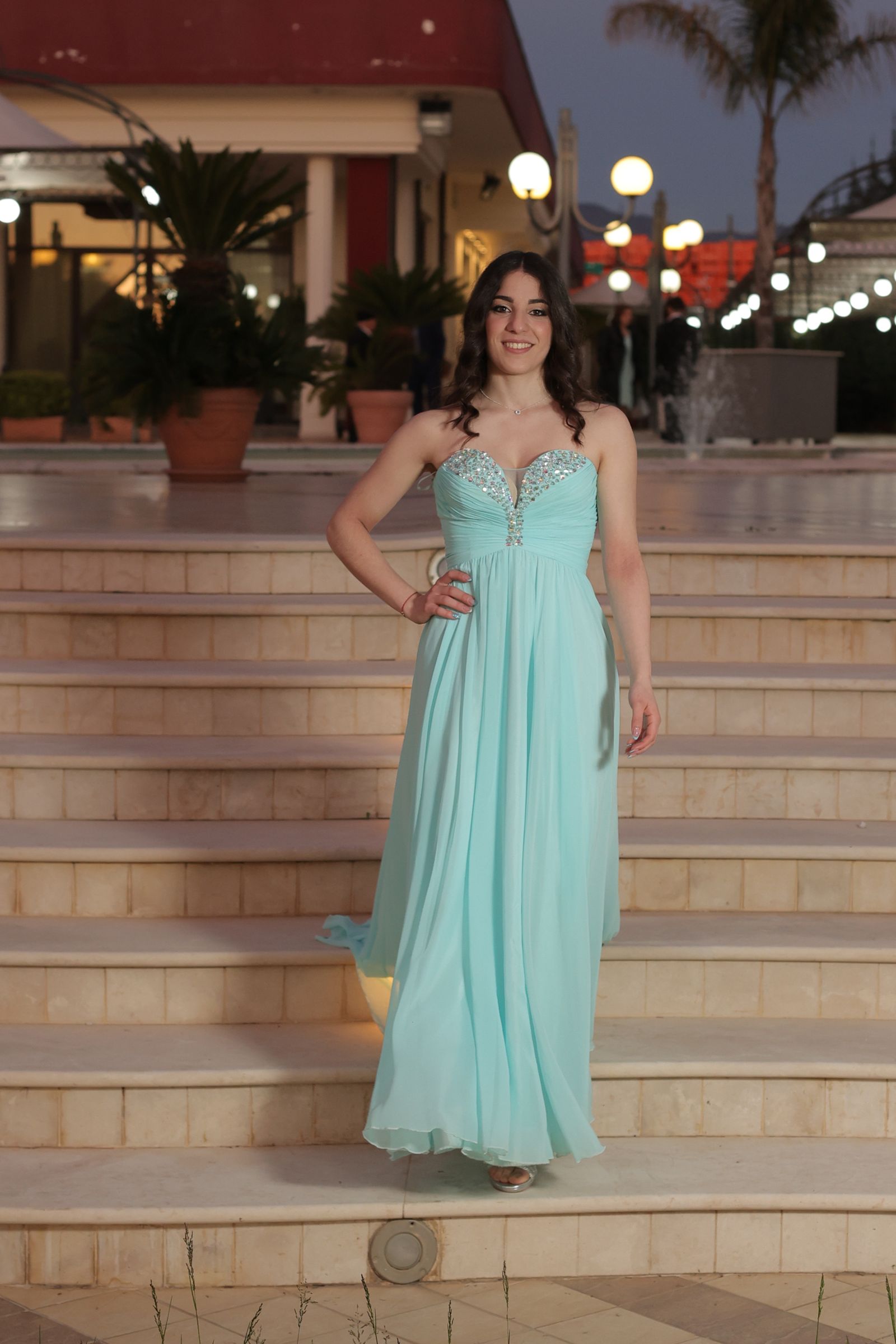
Rule: the hem must be a tall-spec maxi, and the waist must sit at your waist. A column or slip maxi is the outfit tall women can wear exactly as designed, with an unbroken line from shoulder to hem. Look for a tall-spec length, roughly 56 to 62 inches from the shoulder, rather than a standard maxi that will stop mid-calf. Keep the neckline clean, add a longer pendant or drop earring for scale, and let the length do the work. In cold weather, borrow the layering logic from what to wear Friday night in winter and add a longline coat that is longer than, or equal to, the dress line, never a short jacket that cuts it in an awkward place.
2. Wide-leg trousers with a full break
Rule: the inseam must reach the shoe and break once, softly, at the front. Wide legs need length more than any other trouser, because a wide hem that stops short reads as an accidental crop. Specialist guidance on shops for tall women notes that tall jeans typically start around 34 inches and run to 38 inches or more, which is the territory a full-length wide leg lives in. Pair a high, long rise trouser with a fitted or tucked top, so the waist is defined and the leg falls clean. A bodysuit works well here if its torso length is tall; otherwise choose a tucked blouse with enough body length to stay tucked when you sit.

3. The tall jumpsuit, checked at the torso
Rule: torso length first, inseam second. Choose a jumpsuit sold in a tall range with an extended body, a defined waist at your real waist, and a wide or straight leg that reaches the shoe. Test it seated before you commit: sit, reach forward, and stand again. If it pulls at the shoulder or rise in any of those positions, the torso is short, and no styling saves it. When it fits, a jumpsuit is one of the strongest Friday night answers you own, because it gives you a complete long line with no tuck to manage. Keep jewelry longer and the bag structured, so the scale matches the length of the line.
4. A tall-spec midi that actually lands at mid-calf
Rule: a midi on you should land below the calf muscle, which means a tall-spec length, not a standard midi worn hopefully. On a tall frame, a standard midi often lands at the knee, changing the whole character of the dress. A true midi, landing where it was designed to land, gives you movement, a clear break on the leg, and room for a boot or a strappy heel. Choose wrap, bias or A-line shapes where the waist seam is placed for a tall torso. If you want a closer fit, our guide to the best bodycon outfits for every body type covers that silhouette separately; here, length placement matters more than closeness.
5. Long-sleeve dressing that reaches the wrist
Rule: the cuff must reach the wrist bone, and the body must cover the waistband. A long-sleeve top, dress or blazer with sleeves that stop mid-forearm makes the whole outfit look borrowed. Tall ranges that extend the sleeve and the body together solve both problems at once. The American Tall size chart shows how far specialist sizing goes, with women’s tall inseams listed at 35 and 37 inches in its high-rise denim and extended sleeve and body lengths across its tall and extra tall tiers. Use that as a benchmark for what a serious tall range publishes: exact numbers, by garment, not a vague promise. A long-sleeve midi dress or a tailored blazer with a true tall sleeve instantly looks more expensive, because nothing is visibly straining to reach.

6. Jeans with the right break, plus a longline layer
Rule: match the inseam to the jean shape and the shoe, then let the layer run long. Flare and bootcut jeans need the longest inseams, straight legs a little less, as the Stitch Fix table above shows. Once the jean length is right, a longline blazer, duster or trench that falls below the hip completes the proportion instead of chopping it. Our guide to how to wear a trench coat covers trench styling in full; on a tall frame, choose the longest version you can find and let it sit at or below the knee. This is the most repeatable dinner-to-drinks formula in the list, and it adapts across the friday night outfits over 40 wardrobe just as well, because good length has no age limit.
7. The monochrome long line
Rule: one color family, head to toe, with every length correct. A single-tone suit, co-ord or dress-and-coat combination turns height into a clean column. It only works when nothing is short: trousers that reach, sleeves that reach, a top that stays tucked. Break it only with texture, shine or one scaled accessory, such as a structured bag or a long earring. Monochrome is also forgiving on the question in our explainer on how revealing a Friday night outfit should be, because coverage and impact come from length and fit here, not from how much skin is showing.
Scale: Prints, Bags and Jewelry in Proportion
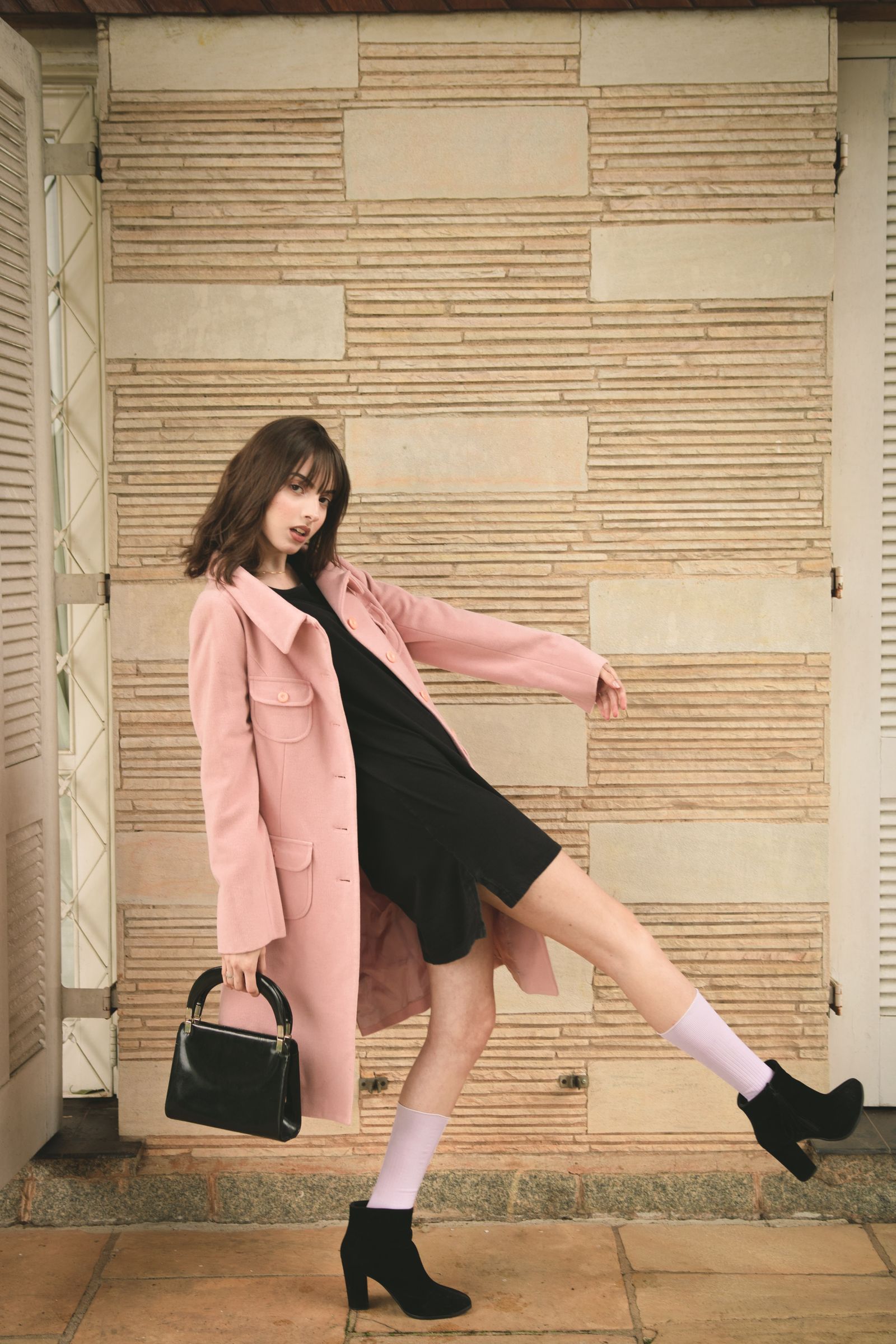
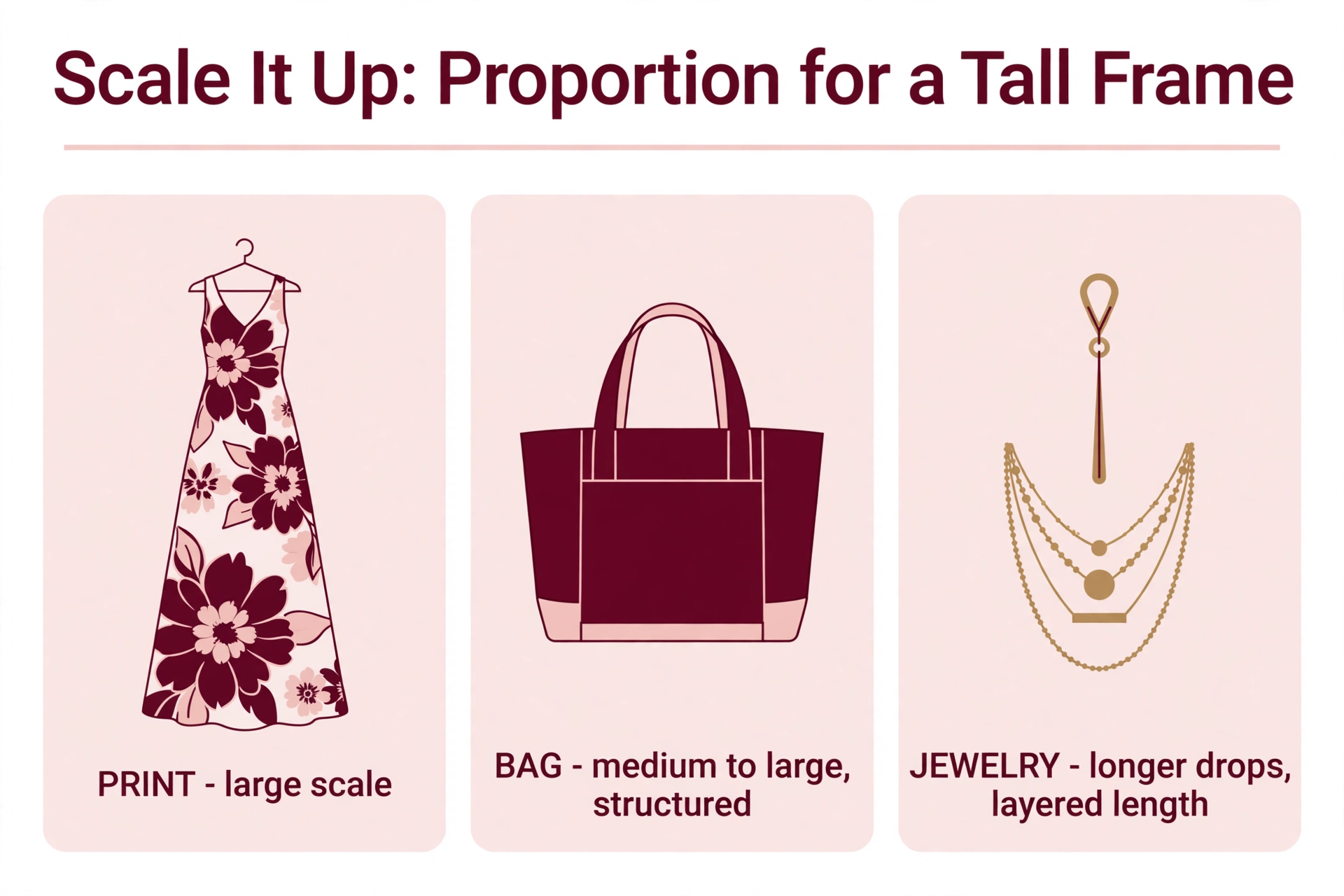
Length gets the outfit to fit. Scale gets it to look finished. Scale means the size of the details relative to your frame: the print repeat, the bag, the earring drop, the belt width, the stripe. On a tall frame, very small details can disappear, while larger details finally have room to read as intended. This is an advantage. You can carry prints and accessories that overwhelm a smaller frame.
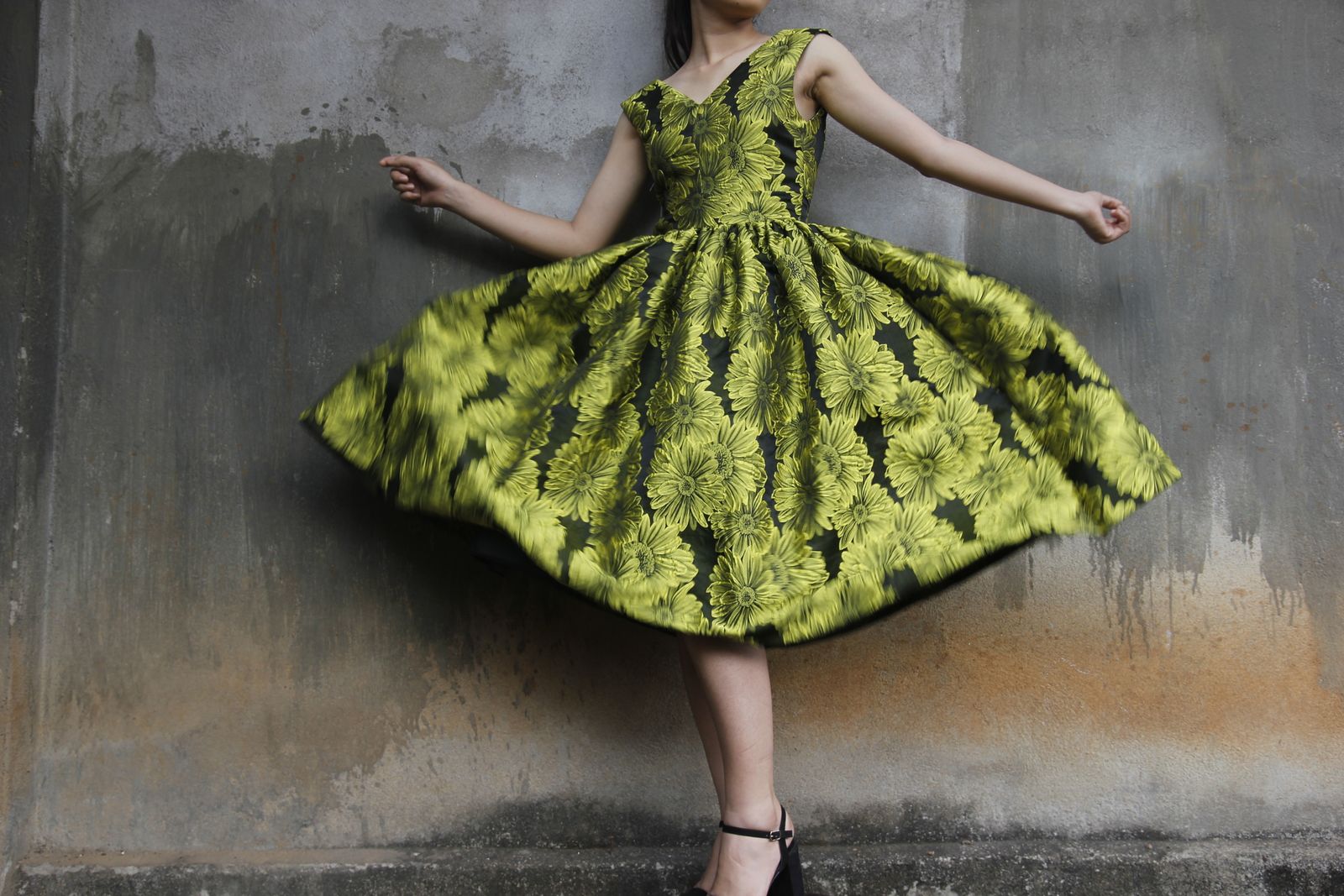
Guidance on styles for tall women recommends large-scale prints for exactly this reason: oversized florals and wide geometric patterns hold their own on a taller frame, while small, delicate patterns can look busy or lost across a larger area of fabric. Apply the same test to a maxi dress, a printed co-ord or a bold blouse. If the repeat is large enough to read from across a room, it is probably in proportion. If it dissolves into texture at a distance, it may be too small for the length of garment it has to cover.
Bags and jewelry: size the detail to the line
A tiny bag is a deliberate contrast on anyone, but as an everyday choice on a long line it can look accidental. A medium, structured bag balances a wide leg or a maxi and gives the outfit a clear focal point. For jewelry, longer drops and layered necklaces suit a longer neck and torso: they occupy the vertical space instead of stopping short on it. The JO-Style tall guide makes a useful distinction here: height alone is not scale, and accessory size should follow your bone structure as well as your height. So scale up thoughtfully. If your frame is fine-boned, choose longer, lighter pieces rather than heavier ones; if your frame is stronger, you can carry chunkier pieces. Length first, weight second.
Stripes, color blocks and belts
Horizontal breaks are a choice, not a correction. A contrasting belt at your real waist, a color-blocked top and trouser, or a wide stripe can divide a long line when you want definition. A single unbroken color can extend it when you want impact. Neither is more flattering by default; they do different jobs. What matters is placement: a belt only works if it sits at your natural waist, which brings the decision back to rise and torso length. A belt forced onto a high, short-waisted dress will sit in the wrong place no matter how wide or beautiful it is.
Where Tall Ranges Actually Deliver
Not every tall label delivers the same length. The useful question is not whether a brand has a tall section, but what numbers that section publishes and where it stops. The Built Tall brand guide warns that tall sizing at many brands means roughly a 32 inch inseam, which is workable at 5’8″ and short at 6’0″, and ranks specialists by their verified maximums. Use that skepticism everywhere: if a product page does not state an inseam, a garment length or a sleeve length, assume it is standard until proven otherwise.
Mainstream tall lines are useful for trend pieces and basics. The ASOS Tall size guide publishes its own leg lengths, with standard Long at 34 inches, which helps you compare a tall edit against the regular range instead of guessing. Athleta shows why you must check style by style: its Pinnacle trouser in Tall lists a 33 inch tall inseam against a 30 inch regular inseam, a real gain, but still shorter than a specialist 36 inch leg. Old Navy is similarly specific, noting that its tall work pants are typically designed with inseams of 34 inches or longer. Those are honest, useful numbers. They serve many tall women well, and they also tell women above 6’0″ exactly when to move to a specialist.
When to go straight to a specialist
Go to a tall-only specialist first for the pieces where length is the whole garment: jeans and trousers at 36 inches and above, maxi dresses, jumpsuits, coats and blazers. That is where extended rises, repositioned knees and longer torsos matter most, and where a mainstream tall line is most likely to stop short. Save mainstream tall lines for tops, knitwear, trend dresses and second pairs, where a small length difference is less costly. Either way, keep a simple note on your phone: brand, garment, stated inseam or length, and whether it truly fit. Three orders of that record will teach you more about your own sizing than any generic chart, and it makes the next Friday night shop far faster.

What to Skip on a Tall Frame
Skip standard-length jumpsuits and bodysuits that publish no torso length. They are the most likely pieces in your wardrobe to pull, ride and untuck. Skip standard midi and maxi dresses bought on hope: if the stated length is standard, the hem will land in the wrong place, and hemming cannot add length that was never there. Skip cropped jackets that end at an unintended point on a long torso unless you have deliberately paired them with a high, long rise bottom; a crop that lands mid-torso by accident reads as a fit error, not a style choice.
Skip, too, the habit of sizing up for length. A larger size adds width everywhere and length almost nowhere useful, so sleeves and hems barely move while shoulders, waist and hips swim. Length is solved by a tall range or a longer inseam option, not by a bigger body size. Finally, skip apologizing for height in the outfit itself: no slouching in photos, no automatic flats if you want the heel, no breaking up every long line out of habit. Heels are a choice about the outfit and the evening, not a rule about your height. Wear them when they complete the look you chose.
A Quick Fit Check Before You Leave
Run this five-minute check in the outfit, with the shoes and bag you will actually carry. Sit down and stand up: trousers should not pull hard at the rise, and a jumpsuit should not drag at the shoulder. Reach forward and up: sleeves should stay near the wrist, and a top should stay tucked or covering the waistband. Walk the length of a room: wide legs should move without tripping you or riding high, and a maxi should clear the floor without needing to be lifted. Check the waist seam or belt in a mirror: it should sit at your natural waist. Finally, look at scale: one print, bag or jewelry choice should be large enough to read clearly. If the outfit passes those checks, it is not just long enough. It is working at your full height, which is the point of every formula in this guide and of the wider what to wear Friday night wardrobe it belongs to.
Our view
Height is not a fit problem to disguise. It is a long line most outfits are designed to suggest and yours actually has. The real problem is ordinary: patterns cut short in the inseam, the rise, the sleeve and the torso, then sold as if length were a minor detail. Measure the four numbers, buy from ranges that publish them, scale the details up, and let a maxi be a maxi and a wide leg reach the floor. That is not dressing around being tall. That is dressing as if tall is the brief, because on Friday night, it should be.
— Friday Night Style
Frequently Asked Questions
What inseam do I need if I am 5’10” or 6 feet tall?
As a starting point, many women at 5’10” to 5’11” need about a 32 to 33 inch inseam, and many at 6’0″ to 6’1″ need 33 to 34 inches, with wide legs and flares needing a little more for the shoe. Measure a pair that fits you well from the crotch seam to the hem and use your own number over any height chart, because leg length varies at the same height.
How can I tell if a tall range is genuinely tall?
Check whether it publishes exact numbers and whether it lengthens more than the hem. A genuine tall cut states the inseam or garment length and adjusts the rise, waist placement, knee position and sleeve or body length as well. If the page only says tall, with no measurement, treat it as unverified and compare it against a brand that does publish numbers.
Why do jumpsuits pull on me even in my usual size?
Usually because the torso is too short, not because the size is too small. A jumpsuit joins the top and bottom, so a standard torso length pulls at the shoulders and the rise at the same time. Choose a tall range with extended body length, test it seated, and if no torso length is published, choose separates instead.
Should tall women avoid heels on a Friday night?
No. Heels are a styling choice, not a height rule. Wear them when they suit the outfit, the venue and your comfort. Just account for them when you choose inseam and maxi length, because a heel changes the length you need for a clean break or a floor-skimming hem.
Do large prints really suit tall women better?
Large-scale prints often read more proportionally on a tall frame because the garment has more length for the repeat to show fully, while very small prints can look busy or disappear. It is a proportion guideline, not a ban: if you love a small print, wear it in a smaller area, such as a top, rather than across a full-length dress.
Can a tailor fix clothes that are too short?
A tailor can shorten, take in and adjust waist placement within limits, and can sometimes let down a hem if extra fabric was left inside. A tailor cannot add meaningful length to an inseam, sleeve or torso that was cut short, which is why buying the tall range first matters more than planning alterations later.
Questions About Friday Night Outfits for Tall Women?
Tell us the plan, the dress code, and the part of the outfit that is not working — we read every message.
Sources
- ASOS — Women’s Jeans, Trousers and Leggings Size Charts
- Stitch Fix — How to Find the Right Denim Inseam
- American Tall — Size Chart
- Built Tall — Tall Clothing Size Guide
- Built Tall — Best Tall Women’s Clothing Brands
- SewSketchy — Shops for Tall Women
- Tellar — The Ultimate Guide to Tall Clothing Ranges
- Athleta — Pinnacle High Rise Trouser
- Old Navy — Women’s Tall Work Pants
- Levi’s — Product Size Guide
- Bairons Fashion — Best Clothing Styles for Tall Women
- JO-Style — Fashion for Tall Women: Styling Guide