The shoes were fine at dinner. They were fine for the first song. By the walk to the next place, every step had become a negotiation, and by midnight the choice was bare feet on a pavement or a taxi you did not budget for. That arc is not bad luck and it is not your feet being difficult. It is geometry, construction and fit, all of which can be checked before you buy. This guide works through the checks in order, so the next pair is still comfortable at the end of the night.
Friday Night Style
Still Dancing at Midnight. That Is the Test.
How to choose Friday night shoes by pitch, construction and fit, so walking and dancing stay comfortable until the night actually ends.
Key Takeaways
- Pitch matters more than heel height: a platform that raises the front of the foot makes a tall heel feel much lower than it measures.
- Forefoot pressure is the pain engine — as the heel rises, weight shifts onto the ball of the foot, so cushioning and toe room decide how long a shoe lasts.
- Block heels, ankle straps and a secure heel grip survive walking and dancing; a loose stiletto with a pointed toe is the shortest-lived combination.
- Fit is tested, not guessed: walk the hard floor, turn sharply, stand on one foot, and check toe room and heel grip before you pay.
- New shoes are broken in at home in short sessions first, and a dressed-up flat in the bag is a plan, not a defeat.
Table of Contents
- Start With the Pitch, Not the Heel Height
- Why Heels Start Hurting
- The Constructions That Survive the Night
- Cushioning and Support: What Inside the Shoe Matters
- Fit Tests to Run in the Shop
- The Break-In Protocol
- Dancing and Walking: Two Different Demands
- When to Switch to a Dressed-Up Flat
- Our view
- Frequently Asked Questions
- Sources
- Recommended
Start With the Pitch, Not the Heel Height
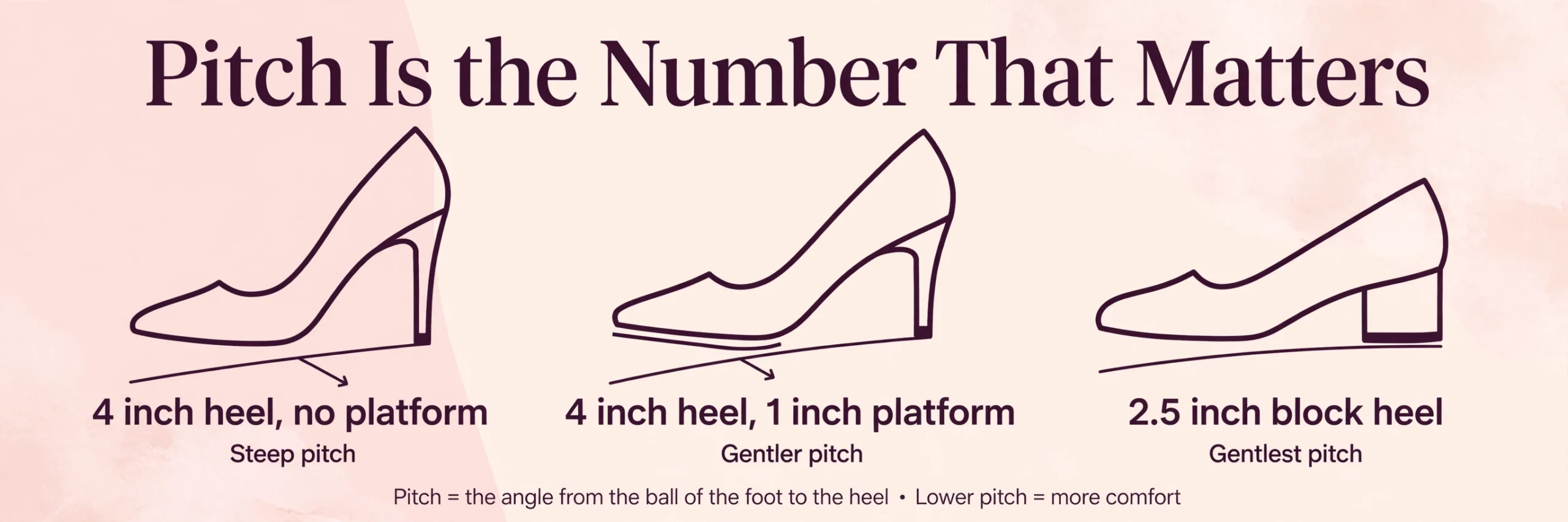
Ask a room of women for the tallest heel they can last a night in and you will get numbers: three inches, four, never above two. The numbers sound precise and they are mostly meaningless, because two shoes with the same heel height can load the foot completely differently. What your foot actually experiences is the pitch: the angle between the ball of the foot and the heel, set by the difference between the heel height and whatever height sits under the front of the shoe. A four-inch heel with a one-inch platform under the toes pitches the foot like a three-inch heel. A four-inch heel with nothing under the front pitches it at the full, steep angle. Same label, different night.
The research behind this is direct. In a study of forefoot pressure and heel height published in the Journal of the American Podiatric Medical Association, researchers measured pressure inside the shoe as heel height rose and found that pressure under the forefoot increased significantly with height, shifting toward the big toe joint as the shoes got taller. Pitch is what drives that shift. So the first question about any shoe is not “how high is the heel?” but “how steep is the slope my foot will stand on, and for how many hours?” Everything else in this guide hangs off that question, whether the plan is dinner, a date, or the full route through our guide to what to wear Friday night.
Work down the table before the detail. It ranks the common Friday night constructions by how they usually hold up across a whole evening of standing, walking and dancing, and it is the short version of the construction section below.
| Construction | Why it lasts, or does not | All-night verdict |
|---|---|---|
| Block heel, moderate height, ankle strap | Wide base spreads load and resists wobble; the strap holds the foot in place so toes stop gripping | The default choice for walking and dancing |
| Platform heel | The raised front lowers the pitch, so a tall look stands at a gentler angle; weight and stiffness are the trade-offs | Strong for standing and posing, test the turns before dancing |
| Kitten or low heel with cushioning | Shallow pitch keeps most weight where the foot expects it; the dressiest low option | The safest long night, if the toe box is honest |
| Wedge | Continuous contact with the ground, no single pressure point at the heel; can feel rigid on dance turns | Excellent for walking, good for casual dancing |
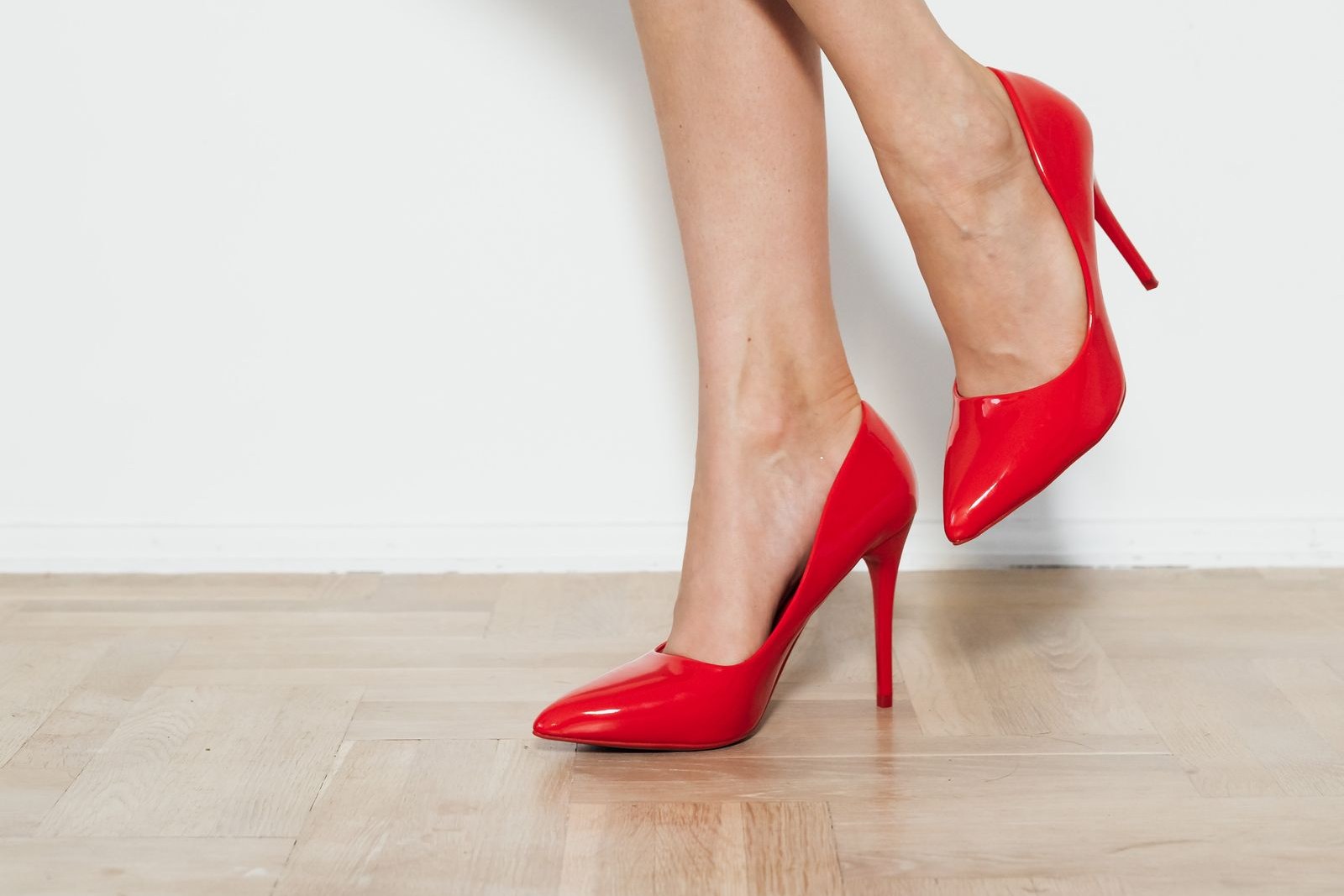
| High stiletto, pointed toe, no strap | Steepest pitch, narrowest base, foot slides forward into the point with every step | A seated-dinner shoe; plan the night around it, not in it |
Measure the drop, not the heel
Here is the shop-floor version of the pitch idea. Stand the shoe on a flat surface and look at it from the side. Mentally subtract the platform height under the ball of the foot from the heel height. The result is the drop your foot will live at. A drop around two inches or less is the zone most women can walk and dance in for hours; a drop past three inches is a short-wear shoe whatever the marketing says, and it should be bought, if at all, with a seated evening in mind. This is also why the builds in our Friday night outfit formula treat the shoe as part of the plan rather than a finishing touch: the shoe decides how much of the plan you can actually do.
Why Heels Start Hurting
Heel pain on a night out follows a sequence so reliable you can set a watch by it. The first hour feels fine, because fresh feet tolerate almost anything. Then the ball of the foot starts to burn. Then the toes, pushed forward by the slope and swelling slightly with heat and standing, begin to press into the front and sides of the shoe. Then the small stabilising work of staying upright on a narrow heel tires the whole foot and lower leg, and every ache amplifies the others. Understanding the sequence matters because each stage has a different fix, and the fix has to be built into the shoe before the night starts.
The burning stage is forefoot pressure, and it has a clinical name when it persists: Cleveland Clinic’s overview of metatarsalgia describes pain and inflammation in the ball of the foot, with high heels and tight toe boxes among the footwear patterns that load that area hardest. The pressure is not a mystery. The steeper the pitch, the more of your weight the forefoot carries, and the longer you stand, the less the foot’s own padding shields it. This is why two shoes at the same heel height can feel so different by midnight: the one with the gentler pitch and the thicker, cushioned forefoot sole simply loads the ball of the foot less with every step.
The toe box is the second pressure problem
The second stage is compression. A pointed toe does not just look narrow; it holds the toes in a triangle while the slope of the shoe keeps sliding the foot forward into that triangle. The NHS guidance on bunions is blunt about the pattern: it advises wide shoes with a low heel and a soft sole, and says not to wear high heels or tight, pointy shoes, because footwear that crowds the toes aggravates the joint at the base of the big toe. The American Academy of Orthopaedic Surgeons makes the same connection in its patient guide to bunions, where shoes that squeeze the forefoot are listed among the things that make the condition hurt. You do not need a diagnosis for this to matter on a Friday. Any shoe that narrows faster than your foot does will spend the night pressing on the widest part of it, and the pressure compounds as feet swell. Our explainer on choosing a Friday night dress by body type makes the parallel point for dresses: the garment’s shape has to match the body’s shape, not argue with it.
Pain is information, not a character test
The third stage is fatigue, and it is the one women most often push through, which is a mistake. The NHS page on foot pain treats persistent foot pain as a symptom worth taking seriously, with rest, elevation and footwear changes as the first responses rather than endurance. A shoe that moves from uncomfortable to painful is telling you its pitch, fit or support is wrong for the hours you are asking of it. The useful response is not tougher feet; it is a better-matched shoe next time and, tonight, the backup plan at the end of this guide. The same logic runs through our list of Friday night outfits when you feel bloated: comfort problems are engineering problems, solved by changing the design inputs, not by suffering more quietly.
The Constructions That Survive the Night
With the pitch principle in hand, construction shopping gets simple. You are looking for four things: a base wide enough to be stable without concentration, a way of holding the foot in the shoe so it cannot slide forward, enough structure under the arch that the foot is carried rather than perched, and a sole with some give in it. The constructions below deliver those four things in different proportions, which is why the right choice depends on whether the night is mostly walking, mostly dancing, or mostly standing at a bar. If the evening is built around one venue, our occasion guide to what to wear to a Friday night dance party covers the outfit side; this section is about the shoe itself, whichever venue it ends up in.
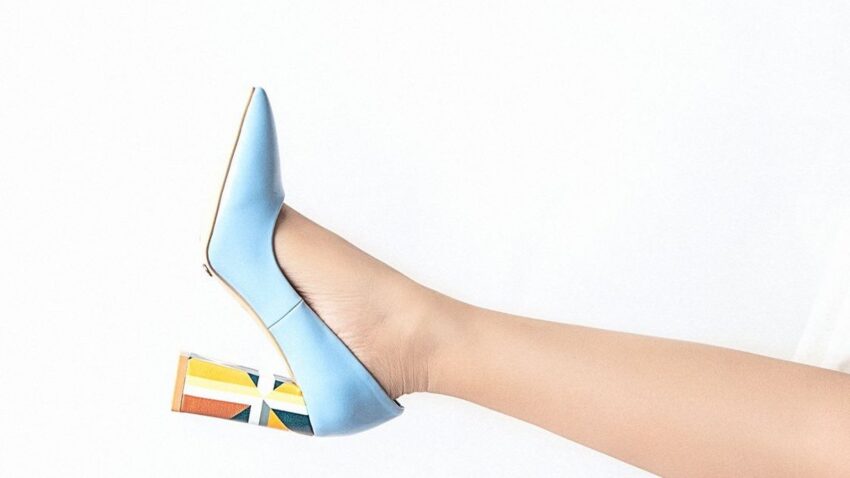
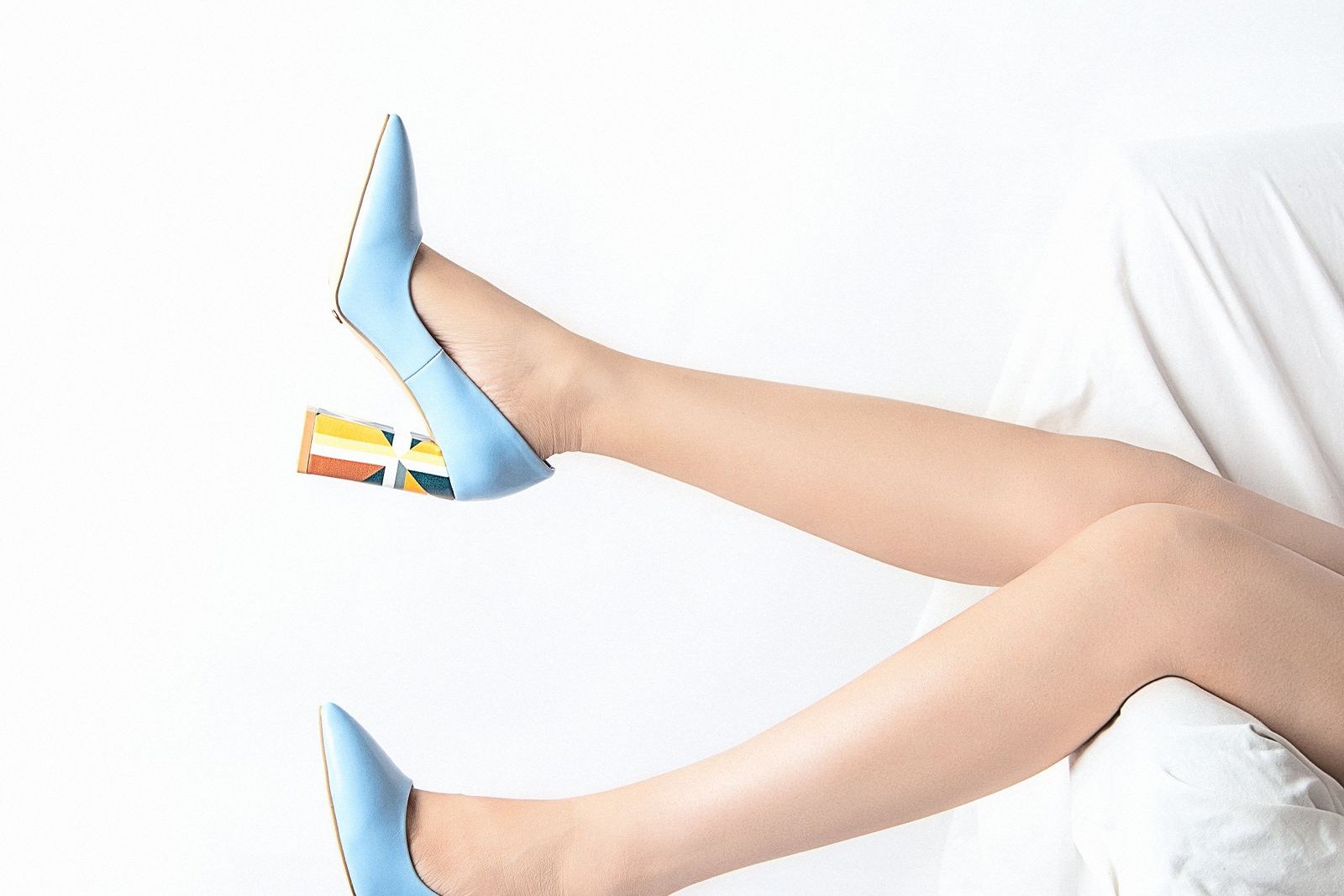
The block heel is the workhorse. Its wide base puts more rubber on the ground, so the ankle does less corrective wobbling with every step, and the heel itself can carry a moderate height without the pitch becoming extreme. Podiatry Australia’s guidance on high heels advises choosing a wider, more supportive heel over a fine stiletto for exactly this stability reason, alongside keeping heel height modest for long wear. Pair the block heel with an ankle strap and you have the combination that survives the most Friday plans: the strap stops the forward slide that causes toe pressure, so the foot stays where the cushioning is. It is no accident that this is the shoe shape that keeps appearing in our builds for Friday night outfits for women over 40, where the brief is a full evening, not a photo.
Platforms: height with the pitch removed
A platform is a pitch device disguised as a fashion device. By raising the front of the foot, it lets a shoe look tall while the foot stands at a much gentler angle, and a well-made platform with a cushioned insole can be a genuinely comfortable long-wear shoe. The cautions are weight and stiffness. A heavy platform tires the legs on a walking-heavy night, and a rigid one cannot flex with the foot, which makes quick dance turns feel clumsy and raises the stakes of a misstep. WebMD’s podiatrist-sourced guide to avoiding foot pain from high heels makes the related general point: the higher and less stable the shoe, the more the precautions matter, from padded insoles to limiting the hours spent in the tallest pairs. Treat a platform like a block heel’s taller cousin: excellent for standing, posing and moderate movement, and something to test properly, turns included, before a dancing night. For a seated plan like the ones in our guide to what to wear to a Friday night dinner, it barely needs testing at all.
Wedges, kitten heels and the honest low heel
The wedge spreads contact along the whole foot, which is why it walks so well, and a cork or wrapped wedge with a cushioned footbed is one of the most forgiving summer options. Its weakness is rigidity on turns, the mirror image of the platform’s. The kitten heel and the low block heel solve the problem from the other end: keep the pitch shallow enough that the foot works almost normally, and let the dressiness come from the material, a satin, a metallic, a jewelled strap, rather than from height. A low heel in a rich finish photographs as an evening shoe in every context that matters, including the camera-first situations in our guide to Friday night outfits that photograph well. What all three share, and what the stiletto lacks, is margin: room for swelling, for tired feet, for the walk home.
Cushioning and Support: What Inside the Shoe Matters
Two shoes can share a silhouette and differ completely inside, and the inside is where the second half of comfort lives. The elements to check are the insole’s padding under the ball of the foot, the support under the arch, and the stiffness of the sole. A thin, hard insole over a thin, hard sole transmits every step straight into the forefoot. A cushioned insole, ideally with a slightly raised pad just behind the toes, spreads the load across a wider area, and that spreading is measurable, not marketing.
In the insert study indexed on PubMed, researchers tested shoe inserts and heel height together and found that a total-contact insert reduced heel pressure and medial forefoot pressure substantially and improved perceived comfort, while arch support inserts specifically reduced pressure under the inner forefoot. The practical translation for a Friday shoe is simple. If the shoe’s own insole is thin, a slim cushioned insert made for heels can upgrade it, provided the shoe has the depth to take one without lifting your foot into the top of the shoe. If adding the insert makes the shoe tight across the toes, the shoe was already too shallow, and no insert will save it. Test inserts in the shop, in the shoe, standing up.
The arch is doing quiet work
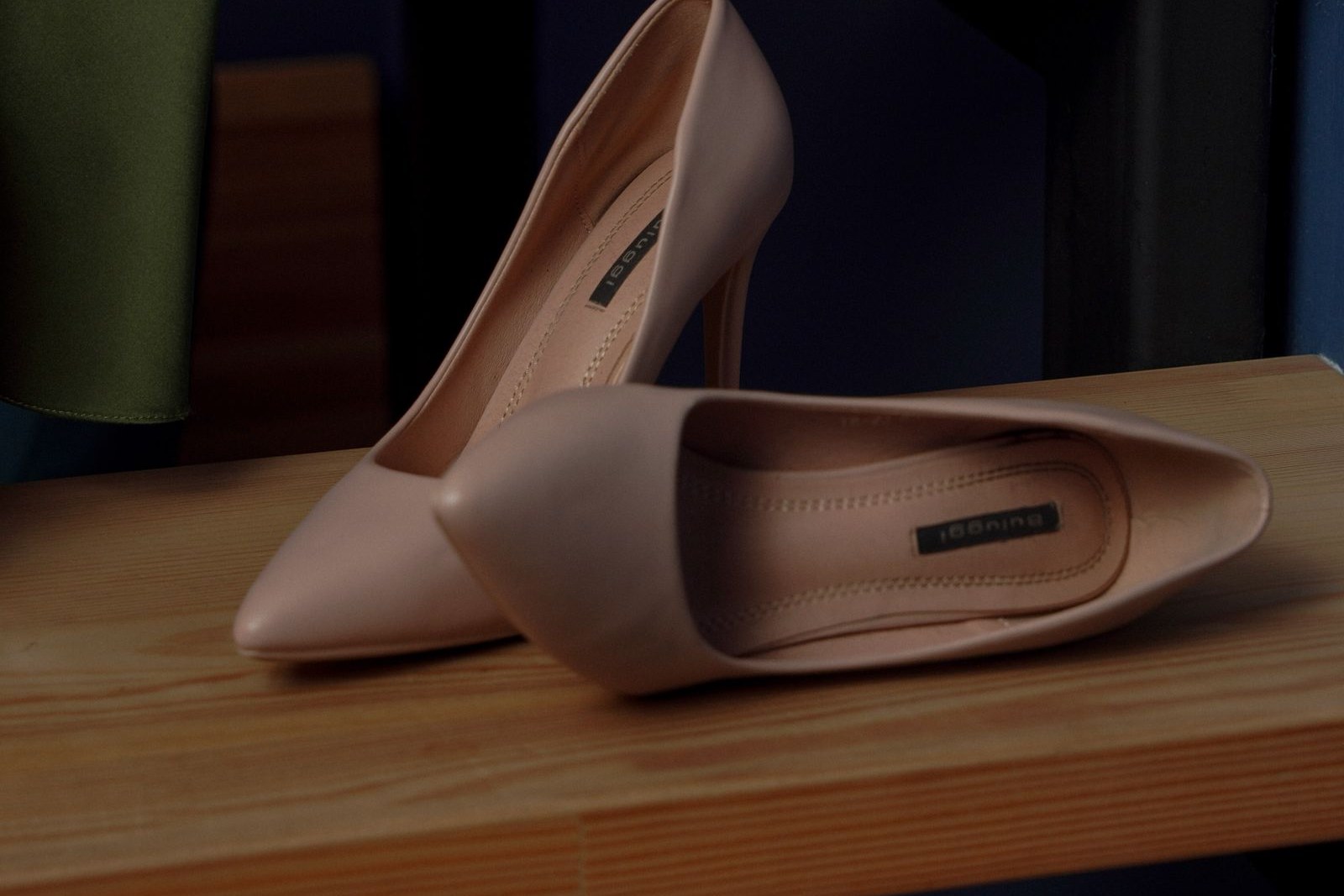
Support matters because the arch is a structure, not a decoration. When it is left to hang unsupported on a steep pitch for hours, the tissues along the sole take the strain, and the bill can arrive the next morning as heel and arch pain. The NHS guidance on plantar fasciitis recommends supportive footwear with a cushioned heel and good arch support as a core self-care measure, and Cleveland Clinic’s overview of plantar fasciitis describes the same condition as inflammation of the band of tissue that supports the arch, aggravated by footwear that does not support it. A Friday shoe does not need orthopaedic architecture. It needs an insole that meets your arch rather than leaving a gap under it, and a shank firm enough that the shoe bends at the ball of the foot instead of folding in the middle. Squeeze and flex the shoe in the shop: a shoe that twists like a cloth or folds at the waist will not carry you all night. The winter version of this discipline, supportive boots under everything, runs through our guide to a Friday night date in winter, and it applies in every season.
Fit Tests to Run in the Shop
Most uncomfortable shoes were comfortable for the four minutes they were tried on a carpet, sitting down. The shop test has to reproduce the night, in miniature: weight on the feet, hard flooring, movement in several directions, and time for the first honest signals to appear. Run these tests in order, in the late afternoon or evening if you can, because feet are at their largest then and a shoe that fits at 10 a.m. can be a size optimistic by 8 p.m. DSW’s guide to how to measure shoe size gives the measuring basics: measure both feet, fit to the larger one, and leave roughly a thumb’s width between the longest toe and the end of the shoe. That space is not spare; it is where your foot will be at midnight.
First, walk the hard floor, not the carpet. Carpet hides impact; the venue will not. Walk at your normal pace the full length of the shop and back, twice. Second, turn sharply in both directions, the way you would turn on a dance floor or dodge a waiter. The shoe should turn with you, without the heel lifting out or the foot rolling over the edge of the sole. Third, stand on one foot for a few seconds, then the other. Wobble you have to fight in the shop becomes a fall risk on a crowded floor. Fourth, press down on the front of the shoe over your toes: you should feel the toes lying flat with room to spread slightly, not stacked or curled. Fifth, check the heel grip as you walk: a finger’s worth of movement is a fitting problem that becomes a blister by the second hour, a problem the NHS page on blisters traces to exactly this kind of repeated friction, and advises preventing with well-fitting shoes rather than treating afterwards.

The two disqualifiers
Two findings end the test immediately, whatever the shoe looks like. The first is any point of concentrated pressure you can still feel after two minutes of walking: a seam on a toe joint, a strap edge on the ankle bone, the end of the toe box. Pressure points do not break in; they break skin, and they get worse as feet swell, never better. The second is a foot that slides forward when you walk downhill or stop suddenly, leaving space at the heel and crowding the toes. That slide is the mechanism behind most midnight toe pain, and it means the shoe is too long, too wide at the heel, or missing the strap it needs. Walk away from both. The right size in the same style sometimes fixes the second; nothing fixes the first. Women shopping for proportion-specific fits will find the same test-first logic in our guides to Friday night outfits for petite women and Friday night outfits for tall women, where the numbers change but the discipline does not.
The Break-In Protocol
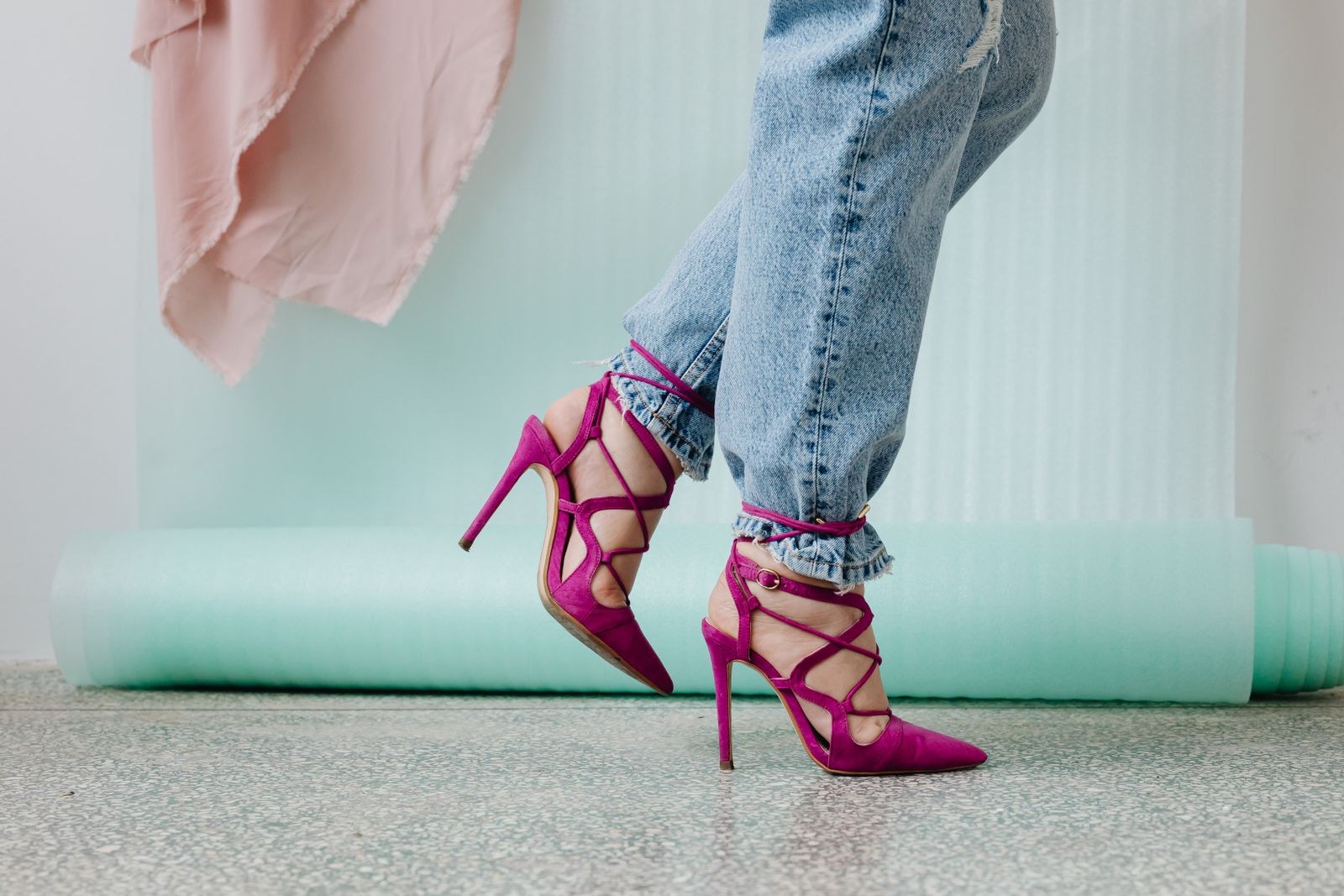
A shoe that passes the shop tests has earned a trial, not a debut. New shoes, especially leather ones, need their first hours in short, controlled doses, because the upper has to soften at your flex points and your feet have to learn the shoe’s pitch before either is asked to perform for six hours. The protocol is unglamorous and it works. Wear the shoes at home for twenty to thirty minutes on the first evening, walking around rather than sitting, then check your feet afterwards: any red mark is a friction point to protect or a fit problem to reconsider while returning is still possible.
Build across several evenings: thirty minutes, then an hour, then an hour that includes stairs and a few minutes of dancing in the kitchen, which is a better rehearsal than it sounds. Leather uppers give at the pressure points during these sessions; synthetic uppers give far less. If a specific spot rubs, moleskin or a blister plaster on that spot during break-in lets the shoe soften without the skin paying for it. What not to do is debut a new pair at an event with no exit: a wedding across town, a night built around walking. Those nights belong to proven shoes, the way the builds in our guide to last-minute Friday night outfits rely on pieces already known to work. And if a shoe still hurts at home after three sessions, believe it. Break-in removes newness; it does not remove a wrong pitch, a wrong size or a seam in the wrong place.
Dancing and Walking: Two Different Demands
Walking and dancing look similar from across the room and ask different things of a shoe. Walking is repetition in a straight line: heel strike, roll forward, push off, thousands of times, mostly on pavements that punish a thin sole. It rewards cushioning, a stable base and a heel that cannot catch in pavement gaps or gratings, which is one reason the jeans-and-heels builds in our how-to on a Friday night outfit with jeans lean on block heels and boots for routes that cover real distance. Dancing is multidirectional: pivots, side steps, weight thrown onto the ball of the foot and held there, quick stops. It rewards a secure strap, a sole smooth enough to turn on but not so smooth it slides, and a heel placed under the centre of your own heel so balance is found rather than hunted for.
Test for the night you are actually having. A dinner-and-one-bar night is a walking test with long standing, so prioritise cushioning and pitch. A dancing night is a turning test, so prioritise the strap, the heel placement and a sole you can pivot on; try the turns in the shop and again during break-in. A mixed night, the commonest Friday of all, wants the block heel compromise: stable enough to walk, secure enough to dance, cushioned enough to stand in a queue. This is also where the outfit and the shoe have to be planned together rather than matched at the door, a point our roundup of Friday night outfit mistakes makes about shoes ending a look early: the shoe that ends the night early does the same damage, literally.
When to Switch to a Dressed-Up Flat
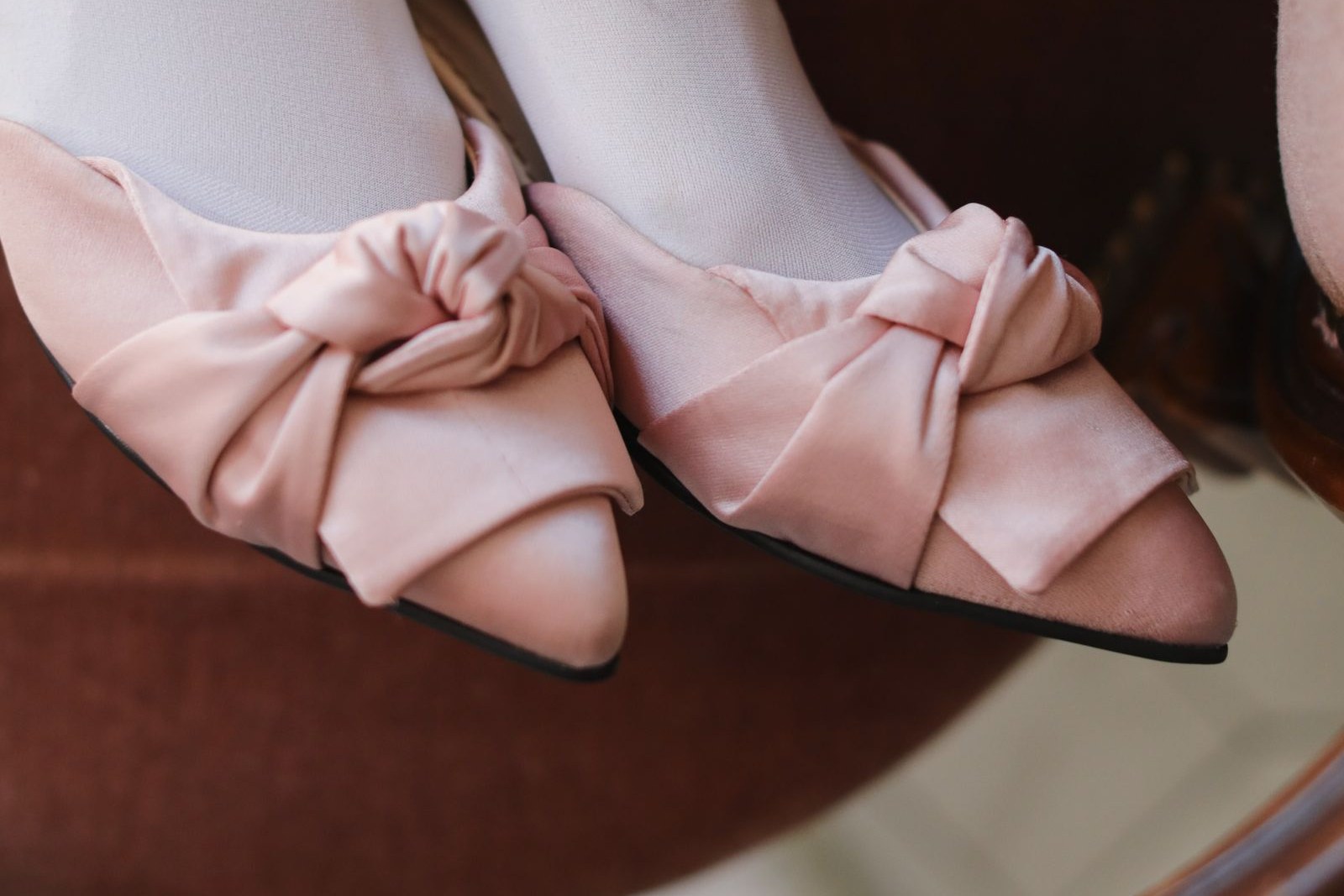
Every plan in this guide has a pressure valve, and it is a flat that looks like a decision. A pointed satin flat, a metallic ballet flat, a jewelled or bow-front flat in a rich fabric: worn with the same outfit, these read as evening shoes, not surrender, especially once the alternative is limping. The switch works best when it is planned rather than improvised. Choose the flat when you choose the heels, check that its colour and finish sit inside the outfit’s palette, and carry it in a tote or leave it in the car, already broken in, already proven. Foldable flats earn their place for the walk home; a proper dressed flat earns it for the last two hours of the night itself.
Know your personal switch signals and honour the first one rather than the last. Burning under the ball of the foot that does not ease when you sit down, toes going numb, a strap that has started to cut, the feeling that you are planning your movements around your shoes: any of these means the heels have done their shift. Switching early keeps the night; switching late just shortens the recovery. There is a styling dividend too: a flat relaxes a structured outfit, and women who dress for long evenings, like the readers of our guide to what to wear on a Friday night date, treat the second shoe as part of the outfit rather than an apology for it. In cold weather a polished ankle boot plays the same role, as our guide to what to wear Friday night in winter shows. The night is the event, not the shoe.
Our view
Comfortable heels are not a compromise category; they are what good shoe engineering looks like when it is aimed at a real evening instead of a photograph. In our experience the pairs that last are never accidents. They have a pitch your foot can live at, a base that does not need babysitting, a strap or a shape that holds the foot where the cushioning is, and a first week of short wears behind them before they are trusted with a Friday. Buy for the night you actually have, test like you mean it, and carry the flat without embarrassment. The goal was never to endure the shoes. The goal is to forget them.
— Friday Night Style
Frequently Asked Questions
What heel height is comfortable for a whole night out?
For most women, a drop of about two inches or less between the heel and the front of the foot is the range that survives hours of walking and dancing. Remember that the drop is what counts, not the labelled heel height: a four-inch heel with a one-inch platform stands your foot at roughly a three-inch drop, while a plain three-inch heel stands it at the full three. Start from the drop, then adjust for your own experience.
Are block heels really more comfortable than stilettos?
Yes, for long wear, and the reason is mechanical. A block heel puts a wider base on the ground, so the ankle does far less corrective work with each step, and the load is spread over a larger area. A stiletto concentrates balance on a point. For a seated dinner the difference barely matters; across four hours of standing, walking and dancing it is usually the difference between finishing the night in the shoes and finishing it carrying them.
How do I stop my feet sliding forward in heels?
The slide comes from the pitch pushing the foot downhill inside the shoe, and it is fixed by fit and security rather than by sizing down, which only crushes the toes harder. Choose a shoe whose heel grips without lifting, add an ankle strap or a style with more coverage over the front of the foot, and use a slim forefoot grip pad if the shoe is otherwise right. If the slide persists in the shop test, the shoe is the wrong shape for your foot.
Can insoles make an uncomfortable heel comfortable?
They can improve a nearly right shoe and they cannot rescue a wrong one. A cushioned or total-contact insert spreads forefoot pressure and can add the arch contact a flat insole lacks, which the research links to lower pressure and better perceived comfort. But an insert also takes up room, so a shoe that is already tight will get tighter. If the pitch is too steep or the toe box too narrow, the insert changes nothing that matters.
How long does it take to break in new heels?
Plan on several short home sessions across a week: twenty to thirty minutes at first, building to an hour that includes stairs and movement. Leather softens noticeably across those sessions; most synthetics soften very little. A shoe that still creates a hot spot after three sessions is showing you a fit problem, not a break-in problem, and it should go back while it still can.
Questions About Friday Night Shoes?
Tell us the plan, the dress code, and the part of the outfit that is not working — we read every message.
Sources
- PubMed — The Effects of Increasing Heel Height on Forefoot Peak Pressure
- PubMed — Effects of Shoe Inserts and Heel Height on Foot Pressure and Comfort
- NHS — Bunions
- AAOS OrthoInfo — Bunions
- Cleveland Clinic — Metatarsalgia
- NHS — Foot Pain
- Podiatry Australia — High Heels
- WebMD — Tips to Avoid Foot Pain From High Heels
- NHS — Plantar Fasciitis
- Cleveland Clinic — Plantar Fasciitis
- DSW — How to Measure Shoe Size
- NHS — Blisters